Bulging discs are a common cause of back pain, especially when they press on surrounding nerves. This condition can cause discomfort, limited mobility, and symptoms like sciatica, where pain travels from the lower back down the legs. Understanding treatment options is critical for making informed decisions about your care. One effective non-surgical option involves spinal decompression therapy, which I will explain in detail to guide you through how it helps bulging discs.
Non-surgical spinal decompression is widely regarded as one of the best non-invasive treatments for individuals dealing with bulging or herniated discs. The therapy uses a specialized traction table designed to stretch the spine gently but precisely. This controlled stretching creates negative pressure within the spinal discs. That pressure difference encourages the bulging or herniated portion of the disc to retract toward its normal position.
This reduction in disc bulge relieves pressure on nearby nerves, which often directly reduces pain and neurological symptoms such as tingling or numbness. Beyond symptom relief, spinal decompression promotes improved circulation of oxygen and nutrients into the disc, supporting the body’s natural healing process. For many patients, this therapy offers a viable alternative to surgery without the risks inherent in surgical intervention.
The method’s non-invasive nature makes it appealing to patients who have been diagnosed with disc bulges on MRI and want to avoid or postpone surgery. It is particularly effective when the disc bulge is causing nerve compression and pain but has not yet caused irreversible nerve damage. This therapy can be part of a broader care plan tailored to each patient’s specific condition and health goals.

While spinal decompression addresses bulging discs directly, it can also benefit other spinal conditions such as degeneration, sciatica, and spinal stenosis. Degenerative disc disease, which involves the breakdown of spinal discs over time, can lead to pain and limited movement. By decompressing the spine, therapy reduces pressure on these deteriorated discs and encourages better fluid exchange, potentially slowing degeneration effects.
For sciatica sufferers, spinal decompression often brings relief by alleviating pressure on the sciatic nerve roots. Since sciatica symptoms often stem from disc-related nerve compression, reducing bulge and inflammation in the spine can significantly decrease pain radiating down the legs. Many patients report improved mobility and less reliance on pain medication after undergoing decompression therapy.
In cases of spinal stenosis, where narrowing of the spinal canal compresses nerves, decompression can create additional space in the spine. This opening reduces compression and inflammation, helping to restore nerve function and decrease pain. Spinal decompression therapy thus offers a multi-condition approach that addresses various spinal causes of discomfort, backed by the body's natural healing mechanisms.
Treatment plans for spinal decompression typically range between 15 and 30 sessions, depending on the severity and complexity of the spinal condition. Each session lasts between 30 to 45 minutes and involves controlled traction cycles on the decompression table. The frequency and total number of sessions are tailored to individual patient needs following an initial assessment.
Patients with mild bulging discs might experience noticeable relief within fewer sessions, while those with more advanced herniations or accompanying spinal conditions may require a longer course of therapy. The gradual approach helps avoid sudden stress on the spine, allowing tissues time to adjust, heal, and strengthen. Alongside decompression, supplementary therapies such as physical therapy, heat, or electrical stimulation might be recommended to optimize recovery.
Continuous evaluation during treatment ensures adjustment of the care plan as needed for optimal results. This personalized progression helps manage patient expectations and empowers individuals to be active participants in their healing journey. Restoring spinal health often requires consistent therapy, but many patients find that the benefits justify the time invested.
Spinal decompression therapy is generally not painful. Many patients describe the sensation as soothing and relaxing rather than uncomfortable. The treatment applies gentle stretching forces to the spine, which patients often perceive as a mild pulling sensation rather than pain.
Unlike surgical interventions, there are no incisions, anesthesia, or lengthy recovery periods involved in spinal decompression. This makes it a safe and comfortable option that can be done on an outpatient basis. Patients typically remain fully aware and can communicate with their care provider throughout the procedure.
The absence of pain and minimal side effects makes spinal decompression appealing to those seeking relief without the risks and downtime surgery might bring. Because individual sensitivity can vary, the treatment intensity is always adjusted to ensure patient comfort. This approach prioritizes safety and wellbeing while targeting the root cause of bulging disc symptoms.
If an MRI has shown a bulging or herniated disc, and you are weighing options beyond surgery, spinal decompression therapy offers a promising path. By gently stretching the spine, this treatment reduces disc bulge, improves nutrient flow, and diminishes nerve irritation—all crucial for reduced pain and enhanced healing.
The therapy’s adaptability to additional conditions like sciatica and spinal stenosis broadens its benefits. A care plan consisting of 15 to 30 sessions provides a structured but flexible approach tailored to your spine’s needs. Most importantly, the comfort and safety of the procedure make it a viable choice for many patients reluctant to undergo surgical interventions.
I encourage anyone experiencing symptoms related to bulging discs in West Reno to schedule an appointment and discuss spinal decompression as part of their treatment options. Together, we can evaluate your condition and design a program aimed at improving your spine health and quality of life.
At Optimized Chiropractic in Reno, we understand how challenging sciatica can be, particularly when it’s caused by a herniated disc. The pain that radiates from your lower back down through your leg can significantly affect your quality of life, making even simple tasks difficult. As a leading provider of Reno chiropractic care, we specialize in techniques designed to address the root cause of sciatica, offering non-invasive, drug-free solutions to relieve pain and restore mobility.
In this article, we’ll highlight the chiropractic techniques we use to treat sciatica, especially when it’s linked to herniated discs. These proven methods focus on realigning the spine, reducing nerve compression, and helping you regain control over your daily life. If you’re looking for a natural alternative to medication or surgery, our experienced team at Optimized Chiropractic in Reno is here to provide personalized treatment plans tailored to your unique needs.
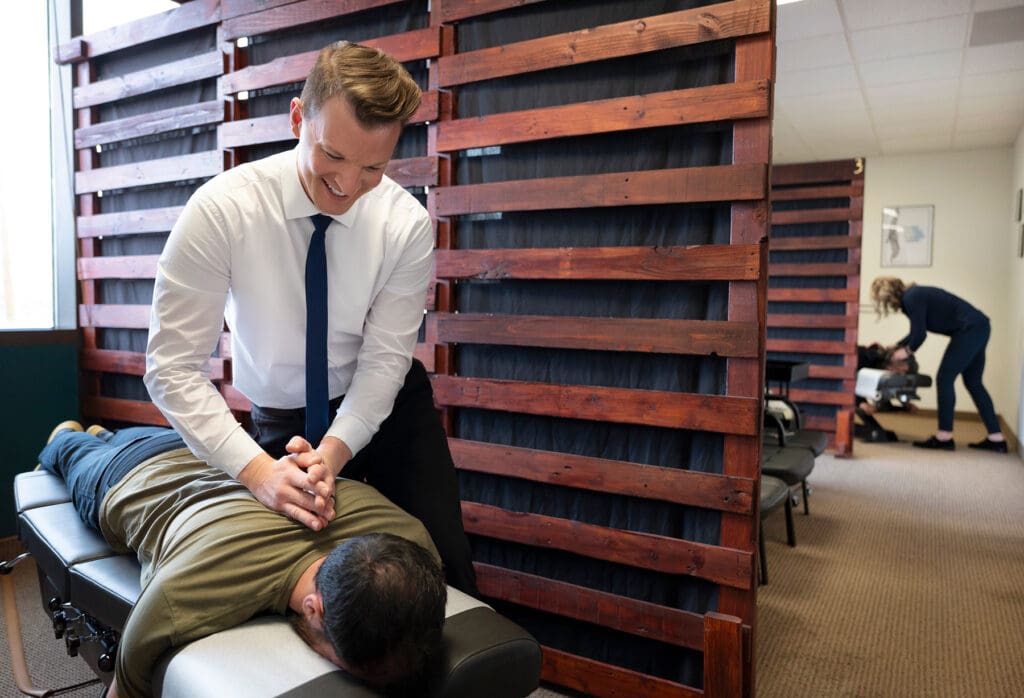
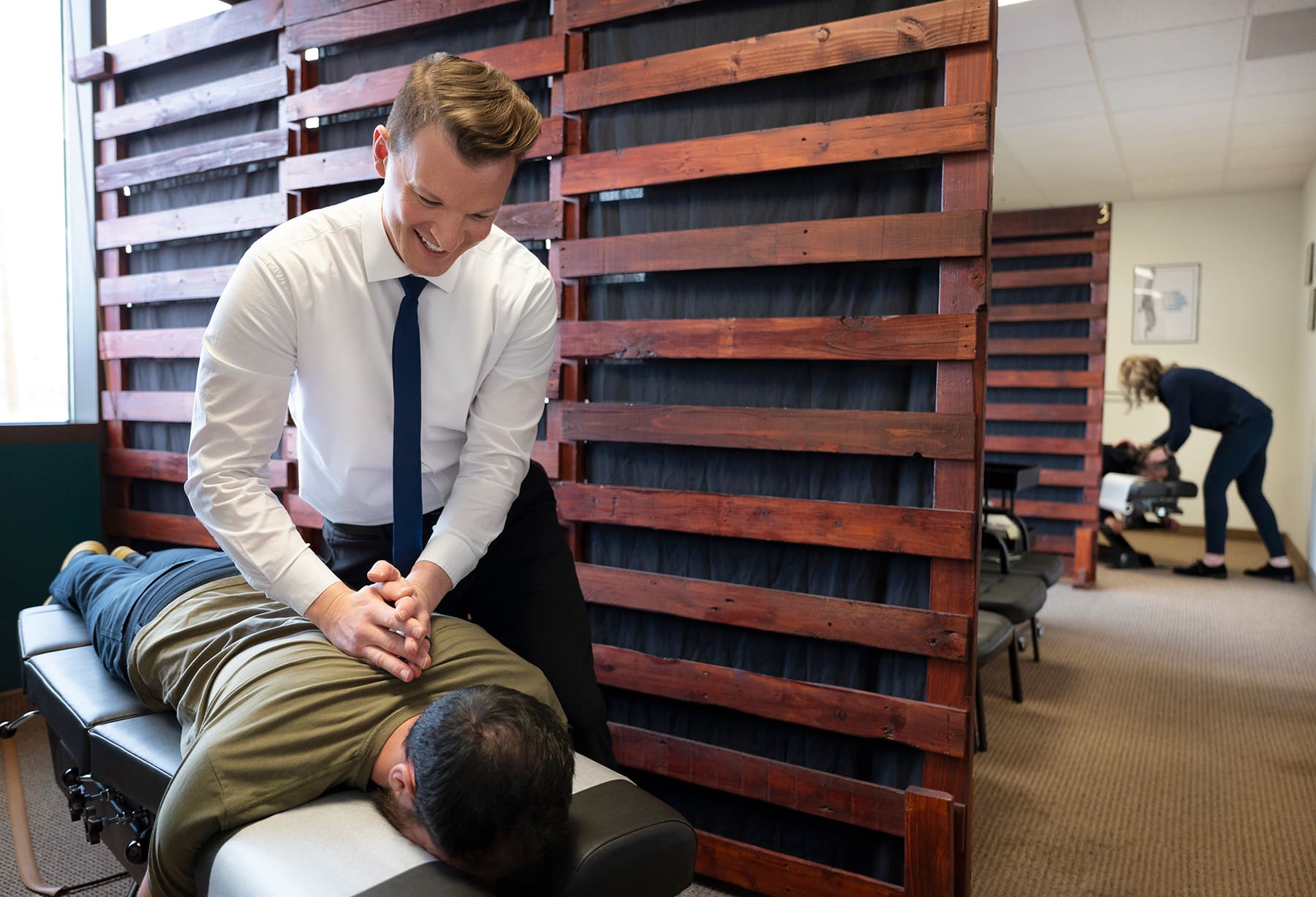
Spinal manipulation, commonly known as a chiropractic adjustment, is a fundamental technique in Reno chiropractic care and is highly effective for treating sciatica caused by herniated discs. When a disc herniates, it can compress the sciatic nerve, resulting in pain, numbness, and weakness in the leg. Through precise spinal adjustments, we aim to realign the vertebrae, alleviate nerve pressure, and reduce pain.
At Optimized Chiropractic in Reno, we use a gentle yet effective approach to spinal adjustments. By applying controlled force to targeted areas, we help restore proper spinal alignment and improve mobility. For patients dealing with herniated disc-related sciatica, this technique not only relieves pain but also promotes healing by enhancing blood flow and reducing inflammation in the affected region. Each adjustment is customized to fit the unique needs of the patient, ensuring you receive the most effective care for your condition.
In addition to in-office treatments like spinal adjustments and intersegmental traction, our Reno chiropractic care emphasizes the importance of empowering patients to actively participate in their recovery. To achieve this, we prescribe therapeutic exercises and stretches specifically designed to strengthen the muscles that support your spine. By improving strength and flexibility, these exercises help stabilize the spine, reduce the risk of future disc herniations, and prevent the recurrence of sciatica.
At Optimized Chiropractic in Reno, we tailor exercise plans to each patient’s fitness level and pain tolerance. These plans may include core-strengthening routines, hamstring stretches, and hip mobility drills, all designed to relieve pressure on the lower back and sciatic nerve. These therapeutic exercises complement the chiropractic care provided in our office, promoting long-term relief and supporting overall spinal health.
A key part of our Reno chiropractic care approach is educating patients on how to prevent future disc herniations and effectively manage sciatica symptoms over the long term. Everyday habits, both at home and work, can significantly impact spinal health, which is why we include lifestyle and ergonomic advice as part of our care plans.
Improper posture, extended periods of sitting, and poor workstation ergonomics often worsen back pain and contribute to sciatica. Our team helps you make meaningful adjustments to your daily routines, such as teaching proper lifting techniques, recommending standing desks, or adjusting your chair height for better support. These practical changes can greatly enhance your recovery and overall spinal health.
We also provide guidance on maintaining a healthy weight and staying active, both of which are vital for reducing stress on your spine. By addressing these critical lifestyle factors, our goal is to help you prevent future flare-ups and support long-term spinal health, ensuring you stay pain-free for years to come.
Many patients turn to Optimized Chiropractic in Reno as an alternative to traditional treatments like medication or surgery. Our Reno chiropractic care offers a natural, holistic approach to treating sciatica caused by herniated discs. Unlike pain medications, which only mask symptoms, chiropractic techniques target the root cause of the pain—such as spinal misalignment, nerve compression, or muscular imbalances.
Our approach is non-invasive and customized to meet each patient’s unique needs, making it a safe and effective option for individuals of all ages. By focusing on restoring proper spinal function, alleviating nerve compression, and improving mobility, we help patients achieve lasting relief without the risks associated with surgery or prolonged medication use.
If you’re suffering from sciatica related to a herniated disc, Optimized Chiropractic in Reno is here to help. Our experienced team provides expert Reno chiropractic care with techniques specifically designed to alleviate pain and promote healing. We take a comprehensive approach, ensuring that each patient receives personalized care targeting the root cause of their discomfort.
We invite you to schedule a consultation with us to discuss your symptoms and learn how chiropractic care can help you regain control of your life. Don’t let sciatica keep you from doing the things you love—contact Optimized Chiropractic today and take the first step toward a pain-free future.
After reading this article, we want you to feel confident in contacting Optimized Chiropractic for a personalized consultation regarding your sciatica symptoms. Whether you’re new to chiropractic care or have tried other treatments without success, our expert team is ready to help. Schedule an appointment with us to explore non-invasive techniques that can alleviate your pain and improve your quality of life.