
Bulging discs are a common cause of back pain, especially when they press on surrounding nerves. This condition can cause discomfort, limited mobility, and symptoms like sciatica, where pain travels from the lower back down the legs. Understanding treatment options is critical for making informed decisions about your care. One effective non-surgical option involves spinal decompression therapy, which I will explain in detail to guide you through how it helps bulging discs.
Non-surgical spinal decompression is widely regarded as one of the best non-invasive treatments for individuals dealing with bulging or herniated discs. The therapy uses a specialized traction table designed to stretch the spine gently but precisely. This controlled stretching creates negative pressure within the spinal discs. That pressure difference encourages the bulging or herniated portion of the disc to retract toward its normal position.
This reduction in disc bulge relieves pressure on nearby nerves, which often directly reduces pain and neurological symptoms such as tingling or numbness. Beyond symptom relief, spinal decompression promotes improved circulation of oxygen and nutrients into the disc, supporting the body’s natural healing process. For many patients, this therapy offers a viable alternative to surgery without the risks inherent in surgical intervention.
The method’s non-invasive nature makes it appealing to patients who have been diagnosed with disc bulges on MRI and want to avoid or postpone surgery. It is particularly effective when the disc bulge is causing nerve compression and pain but has not yet caused irreversible nerve damage. This therapy can be part of a broader care plan tailored to each patient’s specific condition and health goals.
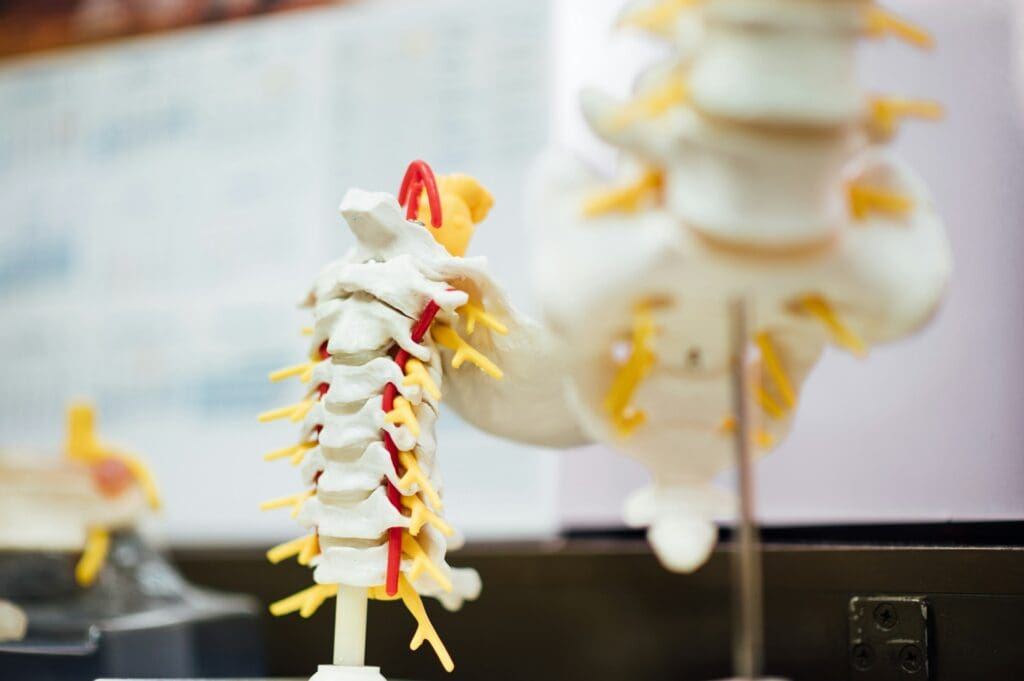
While spinal decompression addresses bulging discs directly, it can also benefit other spinal conditions such as degeneration, sciatica, and spinal stenosis. Degenerative disc disease, which involves the breakdown of spinal discs over time, can lead to pain and limited movement. By decompressing the spine, therapy reduces pressure on these deteriorated discs and encourages better fluid exchange, potentially slowing degeneration effects.
For sciatica sufferers, spinal decompression often brings relief by alleviating pressure on the sciatic nerve roots. Since sciatica symptoms often stem from disc-related nerve compression, reducing bulge and inflammation in the spine can significantly decrease pain radiating down the legs. Many patients report improved mobility and less reliance on pain medication after undergoing decompression therapy.
In cases of spinal stenosis, where narrowing of the spinal canal compresses nerves, decompression can create additional space in the spine. This opening reduces compression and inflammation, helping to restore nerve function and decrease pain. Spinal decompression therapy thus offers a multi-condition approach that addresses various spinal causes of discomfort, backed by the body's natural healing mechanisms.
Treatment plans for spinal decompression typically range between 15 and 30 sessions, depending on the severity and complexity of the spinal condition. Each session lasts between 30 to 45 minutes and involves controlled traction cycles on the decompression table. The frequency and total number of sessions are tailored to individual patient needs following an initial assessment.
Patients with mild bulging discs might experience noticeable relief within fewer sessions, while those with more advanced herniations or accompanying spinal conditions may require a longer course of therapy. The gradual approach helps avoid sudden stress on the spine, allowing tissues time to adjust, heal, and strengthen. Alongside decompression, supplementary therapies such as physical therapy, heat, or electrical stimulation might be recommended to optimize recovery.
Continuous evaluation during treatment ensures adjustment of the care plan as needed for optimal results. This personalized progression helps manage patient expectations and empowers individuals to be active participants in their healing journey. Restoring spinal health often requires consistent therapy, but many patients find that the benefits justify the time invested.
Spinal decompression therapy is generally not painful. Many patients describe the sensation as soothing and relaxing rather than uncomfortable. The treatment applies gentle stretching forces to the spine, which patients often perceive as a mild pulling sensation rather than pain.
Unlike surgical interventions, there are no incisions, anesthesia, or lengthy recovery periods involved in spinal decompression. This makes it a safe and comfortable option that can be done on an outpatient basis. Patients typically remain fully aware and can communicate with their care provider throughout the procedure.
The absence of pain and minimal side effects makes spinal decompression appealing to those seeking relief without the risks and downtime surgery might bring. Because individual sensitivity can vary, the treatment intensity is always adjusted to ensure patient comfort. This approach prioritizes safety and wellbeing while targeting the root cause of bulging disc symptoms.
If an MRI has shown a bulging or herniated disc, and you are weighing options beyond surgery, spinal decompression therapy offers a promising path. By gently stretching the spine, this treatment reduces disc bulge, improves nutrient flow, and diminishes nerve irritation—all crucial for reduced pain and enhanced healing.
The therapy’s adaptability to additional conditions like sciatica and spinal stenosis broadens its benefits. A care plan consisting of 15 to 30 sessions provides a structured but flexible approach tailored to your spine’s needs. Most importantly, the comfort and safety of the procedure make it a viable choice for many patients reluctant to undergo surgical interventions.
I encourage anyone experiencing symptoms related to bulging discs in West Reno to schedule an appointment and discuss spinal decompression as part of their treatment options. Together, we can evaluate your condition and design a program aimed at improving your spine health and quality of life.